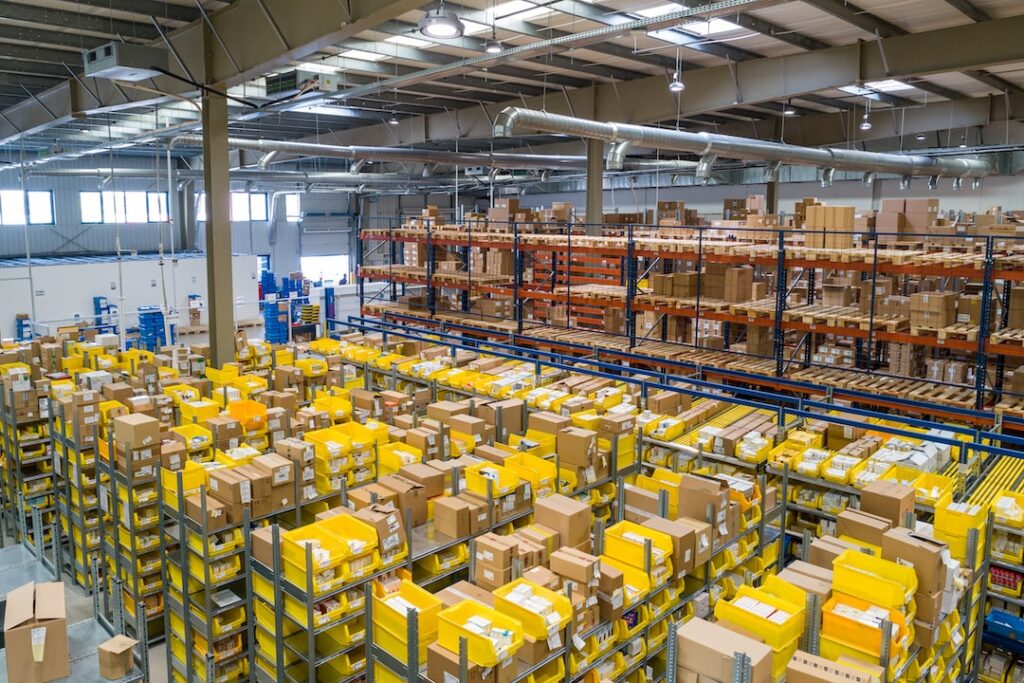
In today’s fast-paced world, where efficient and safe handling of goods is paramount, the utilization of ergonomic lifts has become increasingly crucial. These innovative lifting solutions have revolutionized warehouse and logistics operations, significantly improving productivity and reducing the risk of workplace injuries.
In the first section, we will take a step back in time to understand the evolution of warehouse and logistics operations. From manual labor to the advent of machinery, we will explore how these industries have evolved over the years to meet the rising demands of global supply chains.
Next, we will delve into the importance of ergonomics in material handling. Understanding the impact of repetitive lifting, awkward postures, and physical strain on workers helps us recognize the urgent need for ergonomic solutions. This section will provide valuable insights into the ergonomic principles that contribute to an optimized work environment.
Subsequently, we will delve into the common challenges faced by warehouse workers and logistics professionals. From heavy lifting and manual stacking to time constraints and demanding work conditions, we will address the hurdles that can hinder productivity and worker well-being.
The main focus of this article will then shift to the introduction of ergonomic lifts as a game-changing solution. We will discuss how these lifts are designed to alleviate physical strain, promote efficiency, and enhance safety in material handling operations. Exploring various types of ergonomic lifts and their applications will provide readers with a comprehensive understanding of their versatility.
The Evolution of Warehouse and Logistics Operations: A Brief Overview
Over the years, warehouse and logistics operations have undergone a remarkable evolution, driven by advancements in technology, changing consumer demands, and the need for increased efficiency. This brief overview aims to provide insights into the transformative changes that have shaped the industry.
In the early days, warehouses were simple structures used primarily for storage. Workers relied on manual labor to move goods, often facing physical strain and safety risks. As industries prospered and supply chains became more complex, the demand for more efficient operations grew.
With the advent of the Industrial Revolution, significant changes occurred in warehouse and logistics operations. Mechanical equipment, such as pulley systems and conveyor belts, were introduced to streamline processes and reduce manual labor. This marked the first steps towards mechanization and increased productivity.
The 20th century witnessed further technological advancements that revolutionized warehouse and logistics operations. The introduction of forklift trucks enabled the movement of heavier loads, while the development of barcode technology improved inventory tracking and management.
As the global economy expanded, so did the need for faster and more reliable transportation. The introduction of container shipping in the mid-20th century transformed international trade, optimizing the movement of goods across vast distances and enabling the growth of multi-modal logistics.
The late 20th century brought about the dawn of the digital age, with the widespread adoption of computer systems and data management software in warehouse and logistics operations. This digital revolution enabled real-time inventory tracking, streamlined order fulfillment, and improved communication throughout the supply chain.
Today, advancements in robotics, automation, and artificial intelligence are further shaping the landscape of warehouse and logistics operations. From autonomous mobile robots that optimize order picking to predictive analytics that enable accurate demand forecasting, technology continues to drive efficiency and productivity in the industry.
The rise of e-commerce has propelled the need for highly responsive and agile logistics operations. Warehouses are now strategically located closer to urban centers, enabling faster order fulfillment and seamless last-mile delivery.
The warehouse and logistics industry has experienced a dramatic evolution over time. From manual labor to mechanization, from barcode technology to digital systems, and from global trade expansion to the digital age, each wave of innovation has propelled the industry forward. As technology continues to advance, we can anticipate even further transformations that will revolutionize warehouse and logistics operations in the future.
Understanding the Importance of Ergonomics in Material Handling
Material handling plays a vital role in various industries, involving the transportation, storage, and control of goods. However, the physical demands of these tasks can have a significant impact on the well-being of employees. This is where ergonomics comes into play. Ergonomics focuses on designing and arranging tasks and equipment in a way that maximizes efficiency while minimizing the risk of injury or strain. When it comes to material handling, understanding and implementing ergonomic principles is of utmost importance.
One key reason why ergonomics is crucial in material handling is the potential for reducing workplace injuries. Manual lifting, carrying, and repetitive movements can lead to musculoskeletal disorders, including strains, sprains, and back injuries. By incorporating ergonomic techniques, such as using lifting aids and optimizing workstations, the risk of these injuries can be significantly reduced.
Ergonomics also greatly impacts productivity in material handling. When workers are comfortable and their motions are not hindered by awkward postures or improper lifting techniques, they can perform tasks more efficiently. By optimizing workstations to fit the physical requirements of workers and utilizing ergonomic tools, companies can enhance productivity levels and ultimately increase their bottom line.
In addition to reducing workplace injuries and improving productivity, ergonomics in material handling can also enhance worker satisfaction. When employees are provided with ergonomically designed equipment and work environments, they are more likely to experience higher levels of comfort and job satisfaction. This, in turn, can lead to improved morale, reduced turnover, and increased employee loyalty.
As technology continues to advance, ergonomics becomes even more critical. With the introduction of automation and robotics in material handling, it is essential to design systems that allow for safe and efficient interaction between workers and machines. By incorporating ergonomic considerations from the early stages of designing these technologies, the risk of accidents or strain-related injuries can be minimized.
Understanding the importance of ergonomics in material handling is essential for creating a safe, productive, and employee-centered work environment. By prioritizing ergonomic principles, businesses can reduce workplace injuries, enhance productivity, improve worker satisfaction, and adapt to technological advancements in the field of material handling.
Common Challenges Faced by Warehouse Workers and Logistic Professionals
Working in the warehouse and logistics industry can be demanding, with several challenges that workers and professionals face on a regular basis.
One of the primary challenges is the physical strain and risk of injuries. Warehouse workers often engage in manual handling tasks, such as lifting, carrying, and stacking heavy items. The repetitive nature of these tasks, combined with improper lifting techniques and inadequate training, can lead to musculoskeletal disorders and work-related injuries.
Another challenge lies in optimizing warehouse space. As the demand for efficient storage solutions increases, companies need to make the most of their available space. Warehouse managers face the dilemma of staying organized while accommodating a larger volume of inventory. Maximizing space utilization without compromising accessibility often requires careful planning and implementation of effective storage systems.
The fast-paced nature of warehouse and logistics operations can also create time constraints and stress. Workers often face tight deadlines, especially during peak seasons or when dealing with time-sensitive shipments. The pressure to meet delivery targets and handle increased workloads can lead to fatigue and impact overall productivity.
Communication and coordination are vital in warehouse and logistics operations. However, the lack of effective communication channels and coordination among team members can hinder efficiency. Unreliable communication systems or inadequate training in using them can result in delays, missed instructions, and errors, leading to disruptions in the supply chain.
Inventory management poses another significant challenge. Maintaining accurate inventory records, tracking stock levels, and replenishing items in a timely manner are essential for smooth operations. However, manual tracking methods or outdated inventory management systems can lead to errors, stockouts, and delays in fulfilling customer orders.
Worker safety is a critical concern. Warehouse environments are often filled with potential hazards such as heavy machinery, forklift traffic, and stacked inventory. Without proper safety measures, workers are at risk of accidents, injuries, and even fatalities. Ensuring a safe working environment and promoting a culture of safety awareness are constant challenges for warehouse managers and professionals.
Introducing Ergonomic Lifts: The Solution to Efficiency and Safety
In the fast-paced world of warehouse and logistics operations, efficiency and safety are two key factors that can significantly impact productivity and employee well-being. One solution that has gained recognition in recent years is the introduction of ergonomic lifts.
Ergonomic lifts are specially designed equipment that aims to improve the efficiency and safety of material handling tasks. These lifts are built with the understanding that manual lifting and repetitive movements can lead to musculoskeletal disorders, injuries, and decreased productivity.
By incorporating ergonomic principles, these lifts are designed to reduce the physical strain on workers, allowing them to perform their tasks more comfortably and efficiently. They often feature adjustable height settings, easy load positioning, and intuitive controls to minimize the risk of injuries and optimize workflow.
One of the primary advantages of ergonomic lifts is their ability to enhance efficiency in warehouse and logistics operations. With the ability to lift heavy loads and transport them effortlessly, these lifts enable workers to complete tasks in less time. This increased efficiency translates into improved productivity, reduced downtime, and more efficient resource allocation within the organization.
Ergonomic lifts play a crucial role in promoting a safe work environment. By reducing the need for manual lifting and carrying of heavy objects, these lifts help mitigate the risk of accidents, strains, and injuries. This not only ensures the physical well-being of workers but also eliminates potential losses due to employee downtime and medical expenses.
The versatility of ergonomic lifts is another noteworthy factor. These lifts can be utilized in various material handling processes, including loading and unloading trucks, stacking and organizing inventory, assembling products, and moving materials within the warehouse. Their adaptability makes them an invaluable asset for businesses operating in different sectors of the supply chain.
Ergonomic lifts present a game-changing solution to improve efficiency and safety in warehouse and logistics operations. By reducing the physical strain on workers and streamlining material handling tasks, these lifts offer numerous benefits, including increased productivity, enhanced safety, and versatile functionality. Their implementation not only improves the overall bottom line but also fosters a healthier and more rewarding work environment for employees.
Exploring Different Types of Ergonomic Lifts and their Applications
Ergonomic lifts, also known as lift assist devices, have revolutionized the way material handling tasks are performed in various industries. These innovative tools are designed to reduce the physical strain on workers, enhance efficiency, and promote workplace safety.
One commonly used type of ergonomic lift is the hydraulic lift. These lifts utilize hydraulic power to elevate heavy loads, making them ideal for lifting and transporting goods in warehouses and manufacturing facilities. With their adjustable height and sturdy construction, hydraulic lifts can safely handle a wide range of weights and sizes.
Another type of ergonomic lift is the pneumatic lift, which uses air pressure to lift objects off the ground. Pneumatic lifts are particularly useful in environments where electricity or hydraulics may not be available or practical. These lifts are often used in cleanrooms, laboratories, and sensitive manufacturing areas, where precision and control are crucial.
Scissor lifts are another popular type of ergonomic lift. As the name suggests, these lifts consist of a platform that can be raised or lowered using a scissor mechanism. Scissor lifts are commonly used in warehouses, distribution centers, and construction sites to quickly and safely reach high shelves or elevated work areas.
For smaller-scale applications, such as retail and hospitality industries, portable lifts provide a convenient solution. These compact lifts can be easily moved around and are designed to handle less bulky items like boxes or luggage efficiently.
In addition to these types, there are specialized ergonomic lifts designed for specific tasks, such as pallet lifts for efficient stacking and destacking of pallets, or coil lifts for safe transportation of heavy coils in industries like steel manufacturing.
Regardless of the specific type, ergonomic lifts offer numerous benefits in terms of productivity and safety. By reducing the physical strain on workers, these lifts minimize the risk of musculoskeletal injuries and promote a healthier work environment. They also improve efficiency by enabling faster and more controlled handling of goods, resulting in reduced downtimes and increased throughput.
Understanding the different types of ergonomic lifts and their applications is essential for businesses looking to enhance their material handling processes. Choosing the right lift for specific tasks can significantly improve efficiency, promote worker well-being, and ultimately contribute to the overall success of the organization.
Case Studies: How Ergonomic Lifts Enhance Warehouse Efficiency
In order to understand the true impact of ergonomic lifts on warehouse efficiency, it is essential to examine some real-life case studies. These case studies highlight the practical applications of ergonomic lifts across various industries and showcase the significant improvements they bring to warehouse operations.
One such case study involves a large e-commerce company that implemented ergonomic lifts in their order fulfillment process. Prior to the introduction of ergonomic lifts, workers were manually lifting heavy packages, leading to fatigue and increased risk of workplace injuries. However, after adopting ergonomic lifts, the company experienced a remarkable reduction in musculoskeletal injuries and an increase in productivity. Manual lifting was replaced with automated lifting mechanisms, allowing workers to handle packages more efficiently and reducing the strain on their bodies.
In another case study, a pharmaceutical warehouse implemented ergonomic lifts in their inventory management system. The use of these lifts significantly improved the speed and accuracy of order picking. By eliminating the need for workers to continuously bend and reach in order to access inventory, the ergonomic lifts reduced physical strain and increased the overall efficiency and accuracy of the picking process. This resulted in faster order fulfillment times, reduced errors, and improved customer satisfaction.
A logistics company that specialized in transporting fragile goods faced challenges in handling delicate items. To address this issue, they incorporated ergonomic lifts equipped with specialized attachments designed to secure and transport fragile products safely. The implementation of these lifts reduced the risk of product damage during transportation and improved overall operational efficiency. They also allowed the company to handle delicate items more quickly, ensuring timely deliveries without compromising product quality.
These case studies demonstrate the versatility and effectiveness of ergonomic lifts in enhancing warehouse efficiency. Whether it’s reducing the risk of workplace injuries, improving order picking accuracy, or handling delicate products with care, ergonomic lifts have proven to be a valuable asset for warehouse operations.
By adopting ergonomic lifts, businesses can achieve improved productivity, reduced costs associated with injuries, and enhanced customer satisfaction due to faster and more accurate order fulfillment. The success stories from these case studies serve as compelling evidence of the transformative impact that ergonomic lifts can have on warehouse efficiency and overall operational effectiveness.
Examining the Benefits of Ergonomic Lifts in Improving Productivity
Ergonomic lifts have significantly transformed the efficiency and productivity of warehouse and logistics operations. With their advanced features and design, these lifts offer numerous benefits that contribute to enhanced productivity. Let’s explore some key advantages of incorporating ergonomic lifts in material handling processes.
One of the primary benefits of ergonomic lifts is their ability to improve worker productivity. By reducing physical strain and fatigue, these lifts enable workers to perform tasks more efficiently and comfortably. The ergonomic design ensures that workers can easily access and handle materials, reducing the time and effort required.
Ergonomic lifts also enhance worker safety, which directly impacts productivity. By providing a stable and secure platform for lifting and transporting heavy loads, these lifts reduce the risk of injuries and accidents. Workers can focus on their tasks without worrying about potential hazards, allowing them to work more confidently and productively.
Another advantage of ergonomic lifts is their flexibility and adaptability to various environments. These lifts can be customized to meet different material handling needs, such as lifting pallets, crates, or equipment. Their versatility makes them suitable for a wide range of industries, including manufacturing, warehousing, and distribution.
Efficiency is further improved by the speed and precision of ergonomic lifts. With advanced lifting mechanisms and controls, these lifts can efficiently move and position materials, reducing the time required for manual handling. This increased speed not only improves productivity but also allows for faster response to customer demands and reduces overall lead times.
Ergonomic lifts contribute to a more organized and streamlined workflow. By providing workers with adjustable height capabilities and easy access to materials, these lifts promote proper organization and storage. This aids in optimizing space utilization and ensures that materials are readily available when needed, minimizing delays and interruptions in the workflow.
Additionally, ergonomic lifts help reduce product damage during handling. Their smooth and controlled lifting and lowering mechanisms prevent sudden jolts or impacts that could potentially damage fragile goods. This ensures the integrity and quality of the products, leading to fewer errors, rework, and wastage, ultimately improving productivity and customer satisfaction.
Ergonomic lifts play a vital role in enhancing productivity in warehouse and logistics operations. Through improved worker comfort, safety, adaptability, efficiency, organization, and reduced product damage, these lifts provide significant benefits that contribute to a more streamlined and productive workflow.
The Role of Technology in Advancing Ergonomic Lifts for Logistics
Technology has played a significant role in advancing the capabilities and functionality of ergonomic lifts in the field of logistics. With continuous innovation, these lifts have become more efficient and intelligent, helping to streamline operations and enhance safety in warehouse environments.
One key aspect of technological advancement in ergonomic lifts is the integration of automation. Automated systems, such as robotic controls and sensors, have revolutionized the way these lifts operate. They can now be programmed to perform precise movements, reducing the risk of human error and increasing overall efficiency.
Another area where technology has made notable advancements is in the development of smart features. Ergonomic lifts are now equipped with intelligent systems that can monitor load capacity, adjust lifting mechanisms, and even provide real-time data on usage patterns. These features not only ensure optimal performance but also allow for predictive maintenance, ultimately reducing downtime and maximizing productivity.
Advancements in connectivity have also transformed the way ergonomic lifts are integrated into larger logistics systems. Many lifts now offer wireless connectivity, allowing them to be easily controlled and monitored remotely. This not only provides convenience, but it also enables logistics professionals to have real-time visibility into lift operations and make informed decisions based on data.
One significant technological development that has greatly impacted ergonomic lifts is the utilization of data analytics. By collecting and analyzing data from various lift sensors and systems, logistics operators can gain valuable insights into productivity levels, operational bottlenecks, and potential safety hazards. This information can then be used to optimize processes, improve efficiency, and proactively address any issues that may arise.
In recent years, the integration of artificial intelligence (AI) has further enhanced the capabilities of ergonomic lifts. AI algorithms can learn from patterns, optimize lift movements, and even adapt to changing environments. This level of intelligence enables lifts to work seamlessly with other automated systems, creating a synchronized and efficient workflow within the logistics operation.
Technology has played a vital role in advancing ergonomic lifts for logistics, making them more efficient, intelligent, and connected. Automation, smart features, connectivity, data analytics, and AI have all contributed to the optimization of lift operations, leading to increased productivity and improved safety in warehouse and logistics environments.
Overcoming Resistance to Change: Implementing Ergonomic Lifts in the Workplace
Introducing any new technology or change in the workplace can often be met with resistance from employees. Implementing ergonomic lifts in the warehouse is no exception. It is essential for management to understand and address the concerns and resistance employees may have to ensure a smooth transition and successful integration of these lifts into the workplace.
One of the main reasons for resistance to change is the fear of the unknown. Employees may be uncertain about how to operate the new ergonomic lifts or worry about potential impacts on their job roles. Providing comprehensive training programs and clear instructions on using the lifts can help alleviate these concerns and build confidence among the staff.
Resistance can also arise from the perception that the implementation of ergonomic lifts will result in job losses. Employees may worry that the lifts will replace manual labor, making their skills obsolete. It is crucial for management to communicate effectively and emphasize that the purpose of ergonomic lifts is to enhance efficiency and safety, not to eliminate jobs. By highlighting the benefits that these lifts bring to the workforce, such as reduced physical strain and increased productivity, employees can be reassured about their value in the workplace.
Another factor that contributes to resistance is the resistance to change itself. People tend to be comfortable with familiar routines and processes, making any deviation from the norm challenging to accept. Engaging employees in the decision-making process and involving them in the planning and implementation stages can help address this resistance. By creating a sense of ownership and involvement, employees are more likely to embrace the change rather than resist it.
Addressing and overcoming resistance to change also requires effective communication. Regular and transparent communication about the reasons for implementing ergonomic lifts, the expected benefits, and the progress of the implementation can help alleviate concerns and build trust among the workforce. Providing a platform for employees to express their opinions, ask questions, and share feedback can also contribute to a smoother transition.
Additionally, celebrating early successes and showcasing the positive impact of ergonomic lifts can help change the perception of employees. Highlighting specific instances where the lifts have improved efficiency, reduced injuries, and enhanced overall operations can serve as powerful motivators for employees to embrace the change.
Ultimately, overcoming resistance to change and successfully implementing ergonomic lifts in the workplace requires a combination of clear communication, inclusivity, training, and continued support. By understanding and addressing the concerns of employees, management can pave the way for a more ergonomic and efficient work environment.
The Future of Ergonomic Lifts: Innovations and Trends in Warehousing and Logistics
The world of warehousing and logistics is evolving rapidly, and with it, the technology and innovations that shape the industry. Ergonomic lifts, already revolutionizing material handling, are set to play a crucial role in the future of these operations. As demands increase and efficiency becomes more critical, advancements in ergonomic lifts are gaining momentum.
One key area of innovation in ergonomic lifts is the integration of automation and robotics. Manufacturers are developing lifts that can operate with minimal human intervention, reducing the risk of injuries and improving efficiency. These automated lifts can handle repetitive tasks and heavy loads, freeing up human workers for more skilled and complex tasks.
The future of ergonomic lifts also lies in their adaptability and versatility. Lift manufacturers are focusing on creating solutions that can seamlessly accommodate a range of different products, sizes, and weights. This flexibility allows businesses to optimize their material handling processes and switch between various applications with ease.
Another trend on the horizon is the incorporation of smart technology and data analytics into ergonomic lifts. By equipping lifts with sensors and connectivity, businesses can monitor performance, track inventory, and gather valuable insights into their operations. This data can be used to identify areas for improvement, streamline processes, and make data-driven decisions that drive warehouse efficiency.
As sustainability continues to be a global priority, the future of ergonomic lifts will also emphasize eco-friendly features. Manufacturers are exploring energy-efficient components, such as advanced batteries and regenerative braking systems, to reduce environmental impact. These advancements not only contribute to a greener future but also offer cost savings by minimizing energy consumption.
The future of ergonomic lifts will see an increased focus on safety through enhanced safety features. Lifts equipped with intelligent sensors that detect obstacles, implement collision avoidance, and provide real-time feedback to operators will become the norm. This ensures a safer working environment and reduced risk of accidents.
Ergonomic lifts are likely to become more interconnected within the broader supply chain ecosystem. Integration with other technologies, such as warehouse management systems, robotics, and Internet of Things (IoT) platforms, will enable seamless communication and synchronization between different components of the logistics operations, resulting in improved overall efficiency and productivity.
The future of ergonomic lifts holds immense potential for transforming warehouse and logistics operations. By incorporating automation, adaptability, data analytics, sustainability, safety features, and connectivity, these lifts will continue to revolutionize the way goods are handled, increasing efficiency, reducing injuries, and driving overall productivity in the industry.
Conclusion
Ergonomic lifts have proven to be game-changers in warehouse and logistics operations. They have revolutionized the way materials are handled, providing significant benefits in terms of efficiency, safety, and productivity.
By understanding the importance of ergonomics in material handling, businesses can address the common challenges faced by warehouse workers and logistic professionals. These challenges include physical strain, injuries, and inefficiencies caused by manual lifting and carrying heavy loads.
Introducing ergonomic lifts as a solution has shown great promise. These lifts come in various types and can be customized to suit specific applications. They offer improved ergonomics, allowing workers to lift and transport heavy items with reduced physical strain and the risk of injuries.
Through various case studies, it has been demonstrated how ergonomic lifts enhance warehouse efficiency. These lifts enable faster and more precise picking, packing, and stacking of products, resulting in streamlined operations and increased productivity.
The role of technology in advancing ergonomic lifts cannot be undermined. With the integration of automation, robotics, and smart features, ergonomic lifts are becoming even more efficient and adaptable to the changing demands of warehousing and logistics.
Implementing ergonomic lifts in the workplace may face resistance to change. However, by emphasizing the benefits and providing proper training and support, businesses can overcome these challenges and create a safer and more efficient work environment.
Looking towards the future, the innovations and trends in ergonomic lifts continue to evolve. From advanced sensors and intuitive controls to connectivity and data-driven insights, these lifts are set to become smarter, more efficient, and increasingly integrated into intelligent warehouse systems.
Ergonomic lifts have transformed warehouse and logistics operations, offering a viable solution for improving efficiency, safety, and productivity. By embracing these game-changing technologies, businesses can optimize their operations, enhance worker well-being, and stay ahead of the curve in the fast-paced world of warehousing and logistics.